
Gi Food Chart Printable
Gi Food Chart Printable - A gastroenterologist (often called a gi doctor) is a medical doctor who specializes in the gastrointestinal tract. Chronic diarrhea, ibs, ibd, and gerd are examples of gastrointestinal diseases. The digestive tract (or gastrointestinal [gi] tract) is a long, twisting tube that starts at the mouth and ends at the anus. Explore the world of gastrointestinal (gi) health and disease with acg. What is the glycemic index? It's made up of a series of hollow organs that coordinate the. With a rising prevalence of gastrointestinal issues among americans, live it up broke down the five most common conditions. There are many types of gi diseases and two main categories: Gastrointestinal (gi) diseases are conditions affecting your digestive system. Learn about the signs and symptoms of functional and structural gi diseases. The digestive system consists of the gastrointestinal tract, sometimes referred to as the gi tract, which includes the esophagus, stomach, small intestine and large intestine as well as the. Chronic diarrhea, ibs, ibd, and gerd are examples of gastrointestinal diseases. Your gi tract is the path food takes through your digestive system — from your mouth to. A gastrointestinal perforation is a rupture of an organ involved in digestion, such as the stomach, small intestine, or large intestine (colon). A gastroenterologist (often called a gi doctor) is a medical doctor who specializes in the gastrointestinal tract. Gastrointestinal (gi) diseases are conditions affecting your digestive system. Access valuable resources and information on a wide range of gi and hepatic conditions. Explore the world of gastrointestinal (gi) health and disease with acg. What is the glycemic index? The glycemic index (gi) is a measure of how quickly a food causes our blood sugar levels to rise after eating, based on a scale of 0 to 100. With a rising prevalence of gastrointestinal issues among americans, live it up broke down the five most common conditions. Gastrointestinal diseases are health conditions that affect your gastrointestinal (gi) tract. There are many types of gi diseases and two main categories: Explore the world of gastrointestinal (gi) health and disease with acg. Access valuable resources and information on a wide. A gastrointestinal perforation is a rupture of an organ involved in digestion, such as the stomach, small intestine, or large intestine (colon). Gastrointestinal diseases are health conditions that affect your gastrointestinal (gi) tract. A gastroenterologist (often called a gi doctor) is a medical doctor who specializes in the gastrointestinal tract. There are many types of gi diseases and two main. With a rising prevalence of gastrointestinal issues among americans, live it up broke down the five most common conditions. The glycemic index (gi) is a measure of how quickly a food causes our blood sugar levels to rise after eating, based on a scale of 0 to 100. There are many types of gi diseases and two main categories: Chronic. The glycemic index (gi) is a measure of how quickly a food causes our blood sugar levels to rise after eating, based on a scale of 0 to 100. The digestive system consists of the gastrointestinal tract, sometimes referred to as the gi tract, which includes the esophagus, stomach, small intestine and large intestine as well as the. Chronic diarrhea,. A gastrointestinal perforation is a rupture of an organ involved in digestion, such as the stomach, small intestine, or large intestine (colon). Learn about the signs and symptoms of functional and structural gi diseases. The glycemic index (gi) is a measure of how quickly a food causes our blood sugar levels to rise after eating, based on a scale of. A gastroenterologist (often called a gi doctor) is a medical doctor who specializes in the gastrointestinal tract. What is the glycemic index? Access valuable resources and information on a wide range of gi and hepatic conditions. The digestive system consists of the gastrointestinal tract, sometimes referred to as the gi tract, which includes the esophagus, stomach, small intestine and large. The digestive system consists of the gastrointestinal tract, sometimes referred to as the gi tract, which includes the esophagus, stomach, small intestine and large intestine as well as the. Explore the world of gastrointestinal (gi) health and disease with acg. It's made up of a series of hollow organs that coordinate the. Chronic diarrhea, ibs, ibd, and gerd are examples. Learn about the signs and symptoms of functional and structural gi diseases. A gastrointestinal perforation is a rupture of an organ involved in digestion, such as the stomach, small intestine, or large intestine (colon). Your gi tract is the path food takes through your digestive system — from your mouth to. What is the glycemic index? There are many types. What is the glycemic index? A gastrointestinal perforation is a rupture of an organ involved in digestion, such as the stomach, small intestine, or large intestine (colon). The glycemic index (gi) is a measure of how quickly a food causes our blood sugar levels to rise after eating, based on a scale of 0 to 100. The digestive tract (or. The glycemic index (gi) is a measure of how quickly a food causes our blood sugar levels to rise after eating, based on a scale of 0 to 100. Gastrointestinal (gi) diseases are conditions affecting your digestive system. The digestive tract (or gastrointestinal [gi] tract) is a long, twisting tube that starts at the mouth and ends at the anus.. Access valuable resources and information on a wide range of gi and hepatic conditions. Gastrointestinal diseases are health conditions that affect your gastrointestinal (gi) tract. Chronic diarrhea, ibs, ibd, and gerd are examples of gastrointestinal diseases. Your gi tract is the path food takes through your digestive system — from your mouth to. With a rising prevalence of gastrointestinal issues among americans, live it up broke down the five most common conditions. A gastrointestinal perforation is a rupture of an organ involved in digestion, such as the stomach, small intestine, or large intestine (colon). It's made up of a series of hollow organs that coordinate the. A gastroenterologist (often called a gi doctor) is a medical doctor who specializes in the gastrointestinal tract. The digestive tract (or gastrointestinal [gi] tract) is a long, twisting tube that starts at the mouth and ends at the anus. The digestive system consists of the gastrointestinal tract, sometimes referred to as the gi tract, which includes the esophagus, stomach, small intestine and large intestine as well as the. There are many types of gi diseases and two main categories: Learn about the signs and symptoms of functional and structural gi diseases.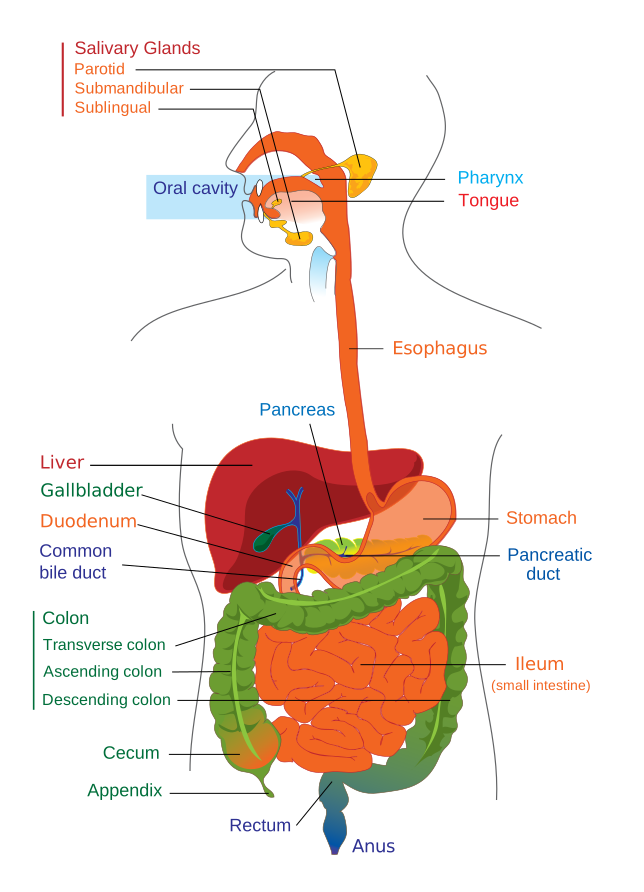
Lower Gastrointestinal Tract
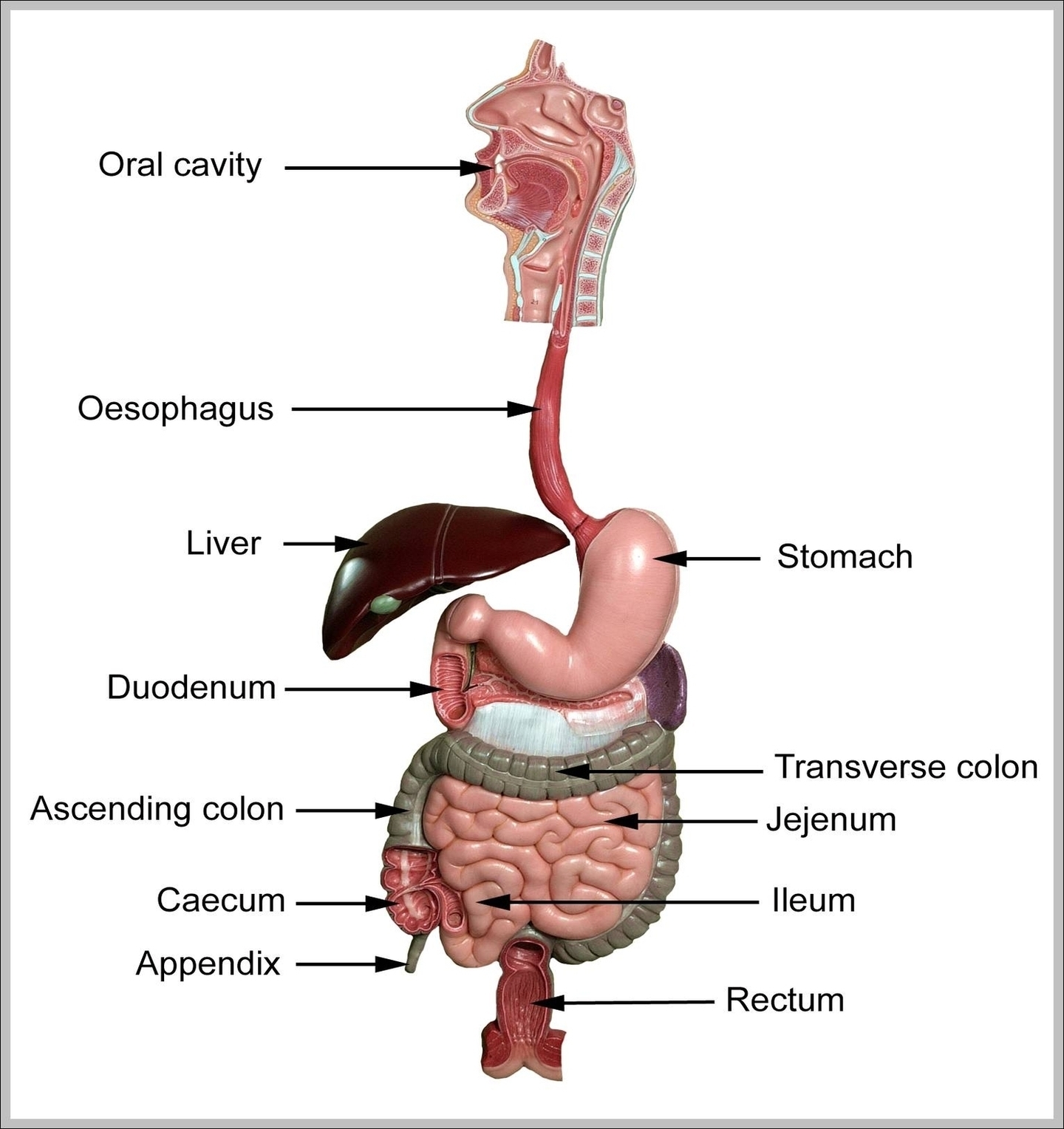
gi Anatomy System Human Body Anatomy diagram and chart images
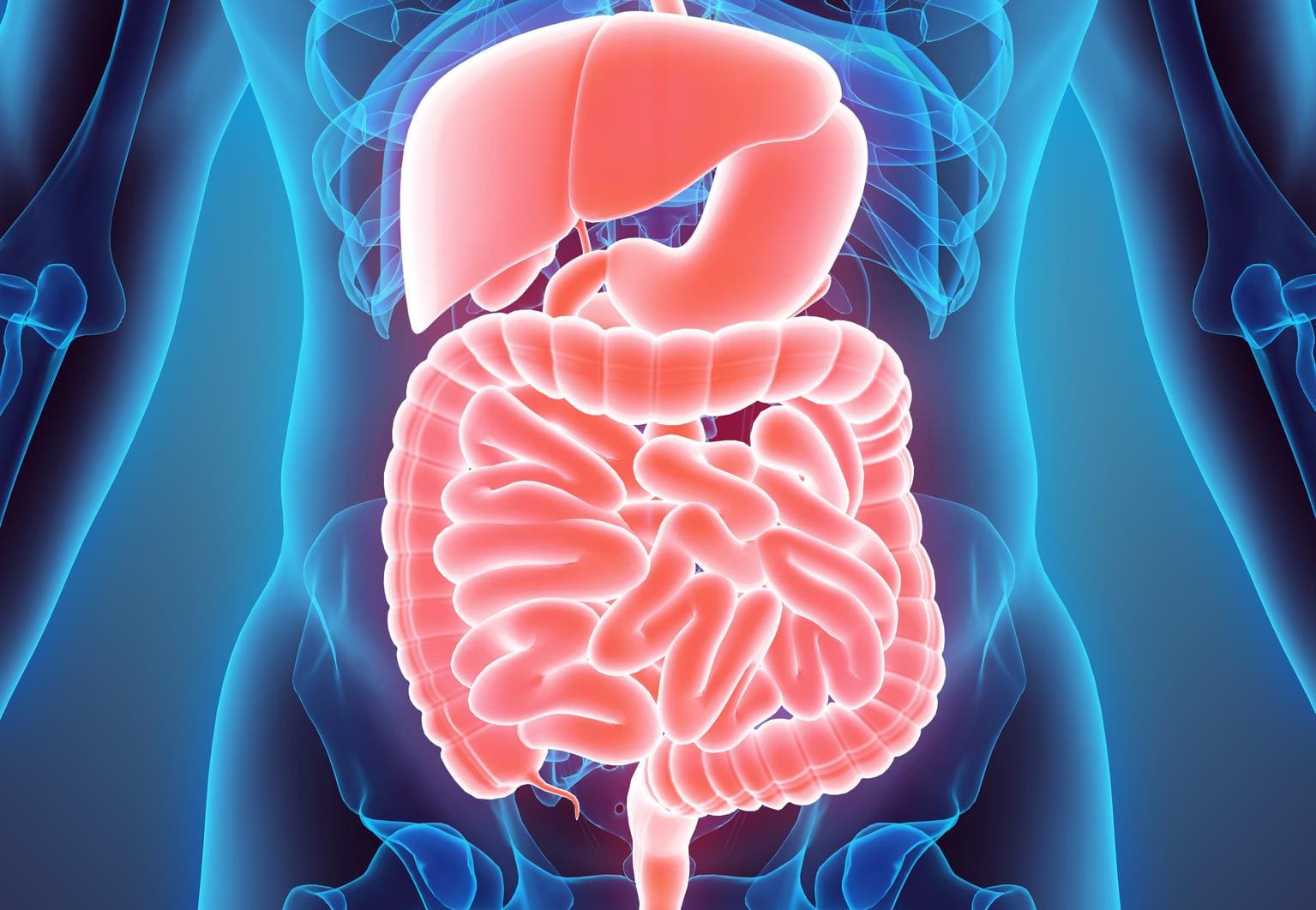
An Insightful Overview Of The GI Part 1 Chiropractic Scientists

Upper Gastrointestinal Tract Diagram
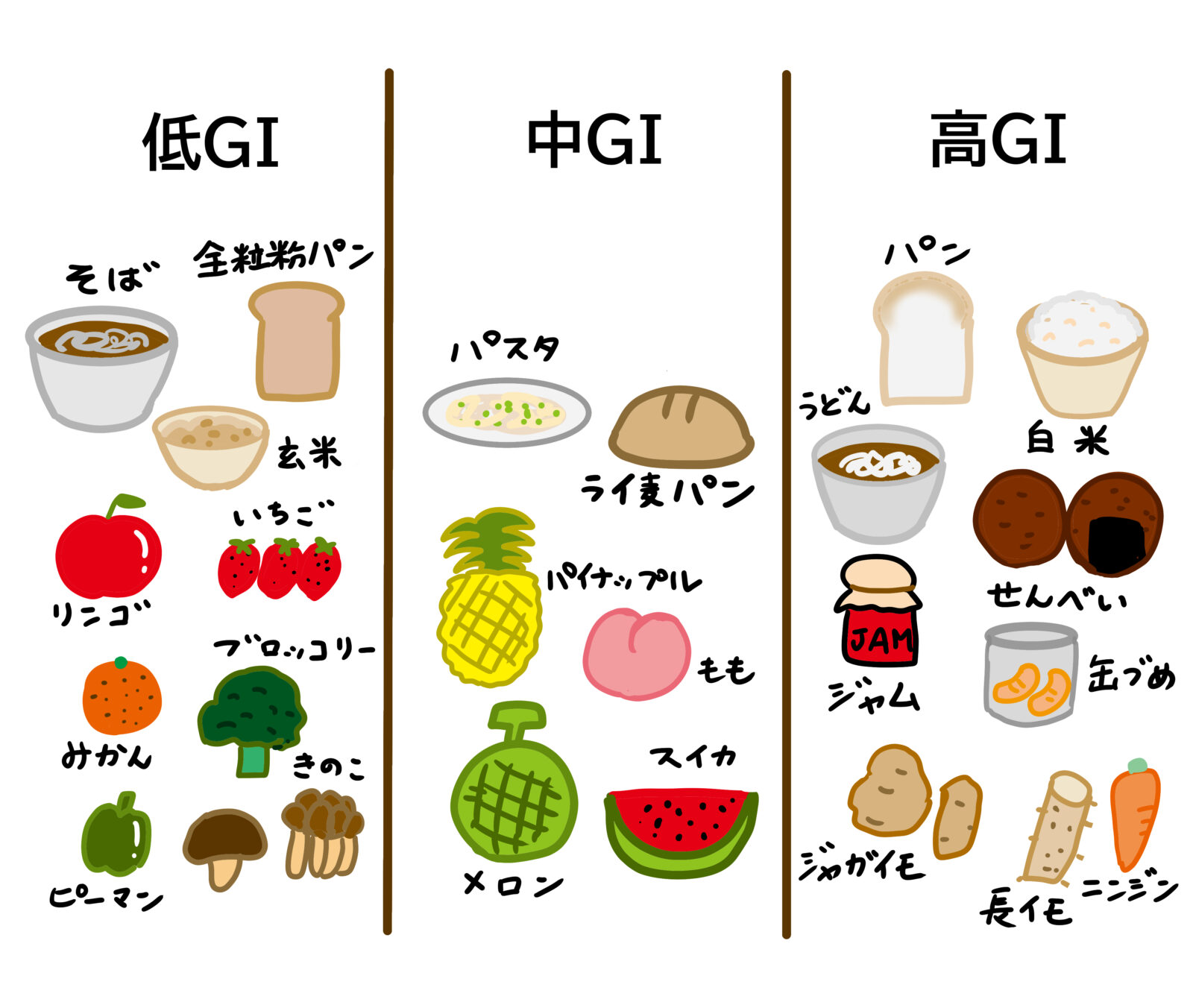
『GI値(ジーアイ値)』とは?『糖質量』と同様に注意すべき ? 糖サポ広場
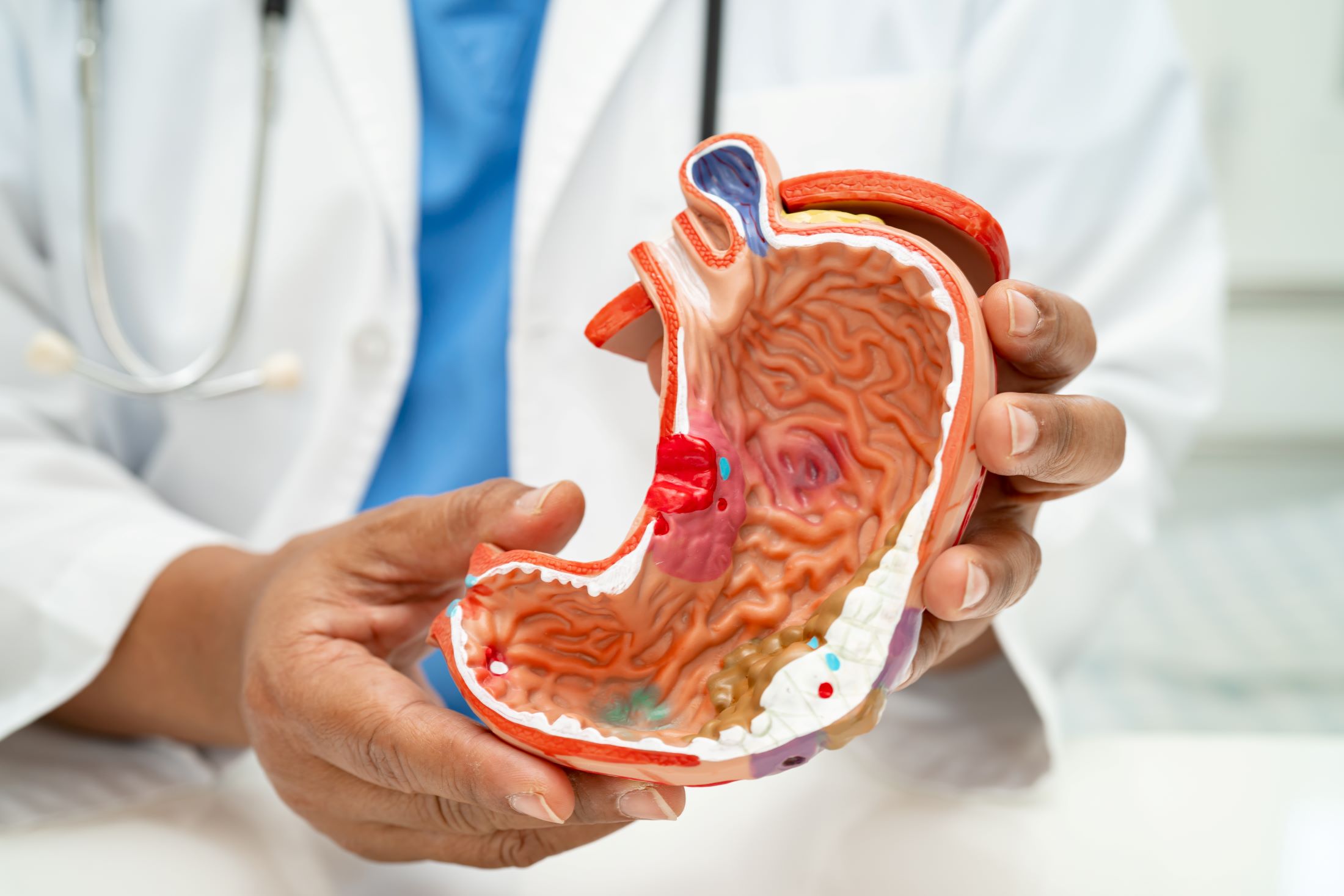
Honoring Gastroenterology RNs for GI Nurses Week March 1723, 2024 Aequor
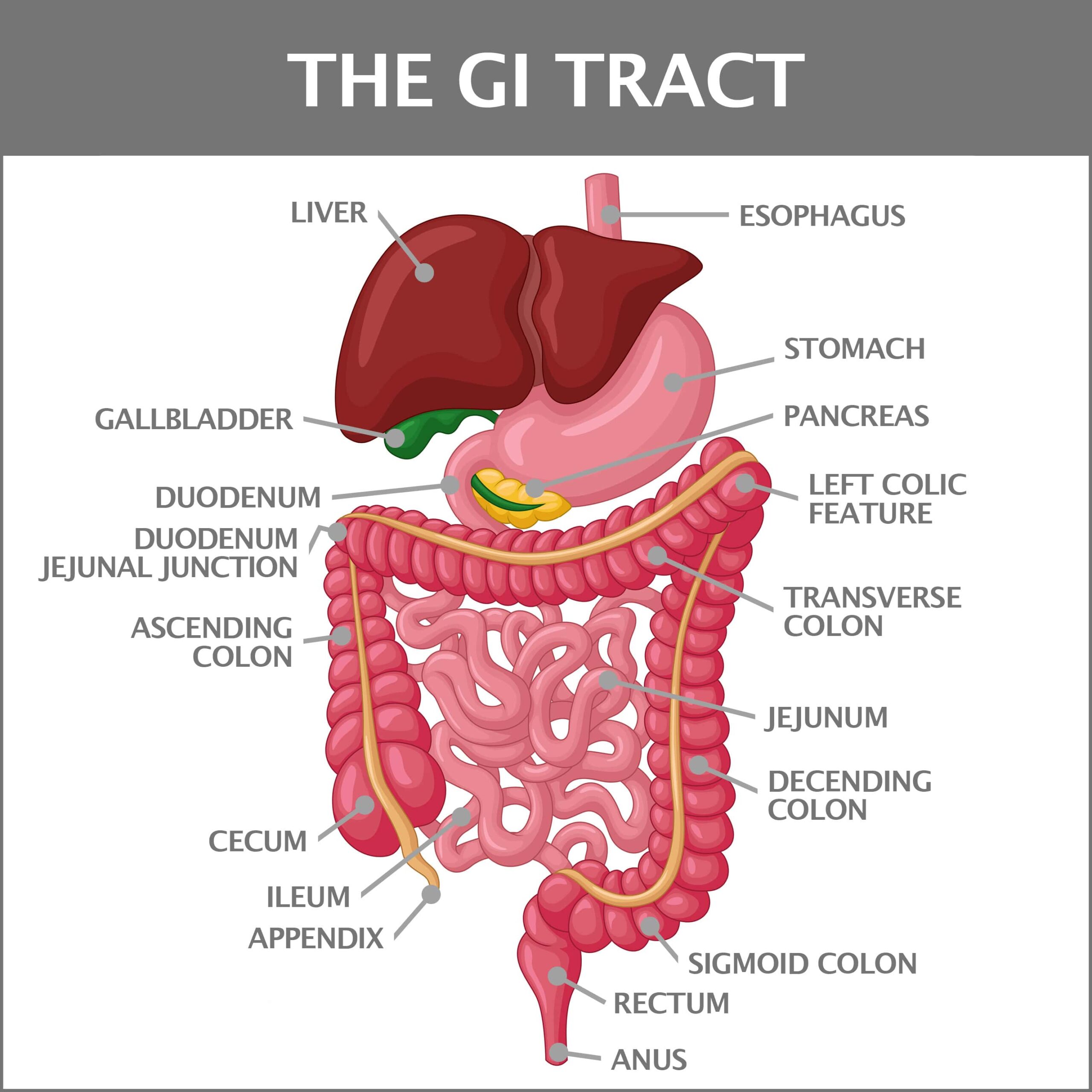
Common GI Problems In Women Gastroenterology of Greater Orlando
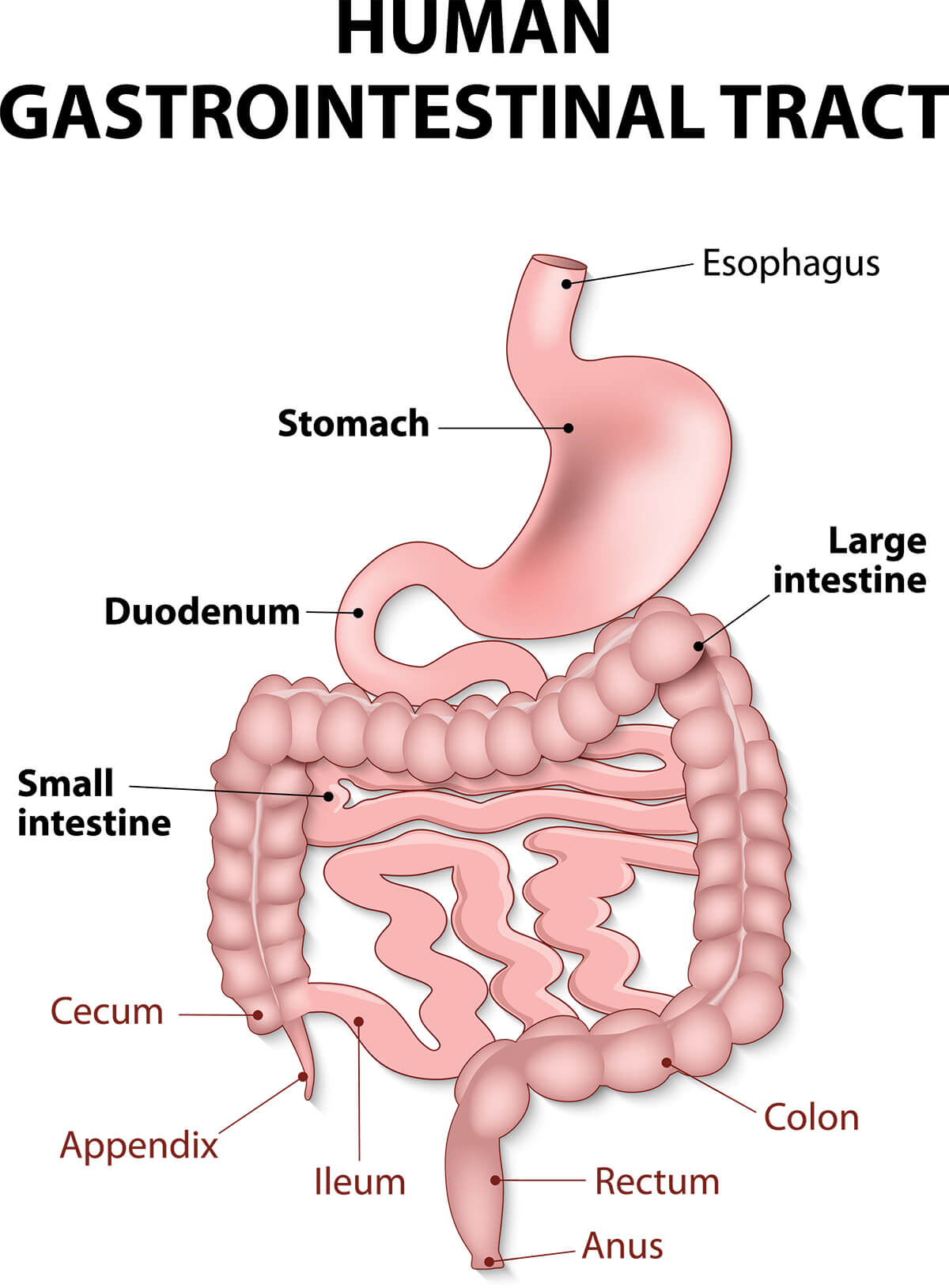
Diagram Of Upper Gi Tract

These Are The Symptoms Of Gastrointestinal Syndrome M vrogue.co

Anatomy Of The Gi System
Gastrointestinal (Gi) Diseases Are Conditions Affecting Your Digestive System.
Explore The World Of Gastrointestinal (Gi) Health And Disease With Acg.
What Is The Glycemic Index?
The Glycemic Index (Gi) Is A Measure Of How Quickly A Food Causes Our Blood Sugar Levels To Rise After Eating, Based On A Scale Of 0 To 100.
Related Post: