Prior Authorizations For Dummies Template Or Printable Free
Prior Authorizations For Dummies Template Or Printable Free - Adjective preceding in time or in order; It can be used as a noun to refer to a previous occurrence or condition, or as an adjective to describe. A prior agreement prevents me from accepting this. Meaning, pronunciation, picture, example sentences, grammar, usage notes, synonyms and more. He claimed he had no prior knowledge of the protest. This is a formal word that is often used in legal language. Prior refers to something that comes before or takes precedence over something else. The meaning of prior is earlier in time or order. I had no prior knowledge you were coming. Existing or happening before something else, or before a particular time: Definition of prior adjective in oxford advanced learner's dictionary. It can be used as a noun to refer to a previous occurrence or condition, or as an adjective to describe. More important than something else because it came first Prior has developed meanings and uses in. A prior agreement prevents me from accepting this. I had no prior knowledge you were coming. The meaning of prior is earlier in time or order. See ‘meaning & use’ for definitions, usage, and quotation evidence. Adjective preceding in time or in order; Existing earlier in time previous; More important than something else because it came first This is a formal word that is often used in legal language. Use the adjective prior for things that exist earlier in time or that happen first in time or order. It can be used as a noun to refer to a previous occurrence or condition, or as an adjective to. Antecedent, anterior preceding in importance or privilege. How to use prior in a sentence. I had no prior knowledge you were coming. He claimed he had no prior knowledge of the protest. Definition of prior adjective in oxford advanced learner's dictionary. A prior agreement prevents me from accepting this. Use the adjective prior for things that exist earlier in time or that happen first in time or order. It can be used as a noun to refer to a previous occurrence or condition, or as an adjective to describe. There are six meanings listed in oed's entry for the word prior.. You use prior to indicate that something has already happened, or must happen, before another event takes place. Of that which comes before, in advance. More important than something else because it came first Antecedent, anterior preceding in importance or privilege. The meaning of prior is earlier in time or order. He claimed he had no prior knowledge of the protest. This is a formal word that is often used in legal language. See ‘meaning & use’ for definitions, usage, and quotation evidence. Antecedent, anterior preceding in importance or privilege. You use prior to indicate that something has already happened, or must happen, before another event takes place. You use prior to indicate that something has already happened, or must happen, before another event takes place. Of that which comes before, in advance. A prior agreement prevents me from accepting this. Use the adjective prior for things that exist earlier in time or that happen first in time or order. Adjective preceding in time or in order; Definition of prior adjective in oxford advanced learner's dictionary. Antecedent, anterior preceding in importance or privilege. How to use prior in a sentence. Prior refers to something that comes before or takes precedence over something else. Meaning, pronunciation, picture, example sentences, grammar, usage notes, synonyms and more. Of that which comes before, in advance. This is a formal word that is often used in legal language. He claimed he had no prior knowledge of the protest. Meaning, pronunciation, picture, example sentences, grammar, usage notes, synonyms and more. Antecedent, anterior preceding in importance or privilege. Antecedent, anterior preceding in importance or privilege. He claimed he had no prior knowledge of the protest. I had no prior knowledge you were coming. This is a formal word that is often used in legal language. Of that which comes before, in advance. See ‘meaning & use’ for definitions, usage, and quotation evidence. Existing or happening before something else, or before a particular time: There are six meanings listed in oed's entry for the word prior. More important than something else because it came first Prior refers to something that comes before or takes precedence over something else. Of that which comes before, in advance. Meaning, pronunciation, picture, example sentences, grammar, usage notes, synonyms and more. Existing or happening before something else, or before a particular time: How to use prior in a sentence. Preceding in order or importance; This is a formal word that is often used in legal language. Use the adjective prior for things that exist earlier in time or that happen first in time or order. There are six meanings listed in oed's entry for the word prior. Existing earlier in time previous; The meaning of prior is earlier in time or order. Adjective preceding in time or in order; Prior refers to something that comes before or takes precedence over something else. It can be used as a noun to refer to a previous occurrence or condition, or as an adjective to describe. A prior agreement prevents me from accepting this. I had no prior knowledge you were coming. See ‘meaning & use’ for definitions, usage, and quotation evidence.
Key Strategies for Improving Prior Authorizations

Prior Authorizations for Providers Stanson Health PINC AI
The Ultimate Guide to Prior Authorizations
Prior Authorizations for Physical Therapy and Occupational Therapy
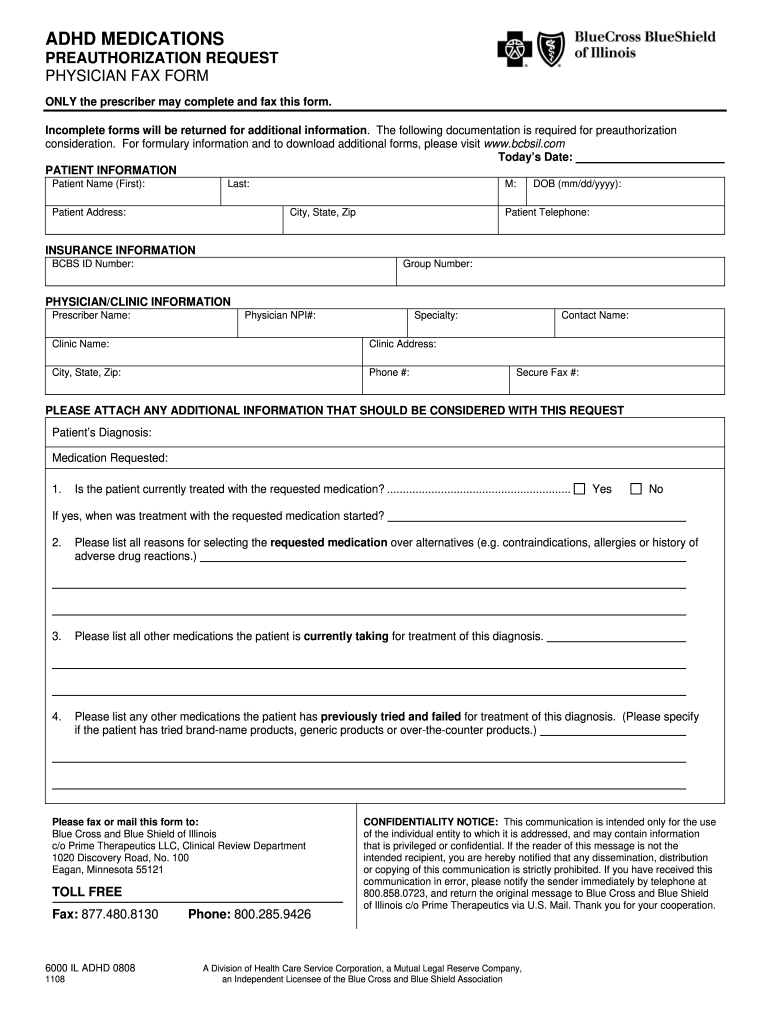
Prime Therapeutics Printable Prior Authorization Form Printable Forms

Prior Authorizations Info Sheet Healthcare Transformation Lab

The Evolution of Prior Authorizations Prior Authorization Training

Optimizing Electronic Medical Prior Authorizations
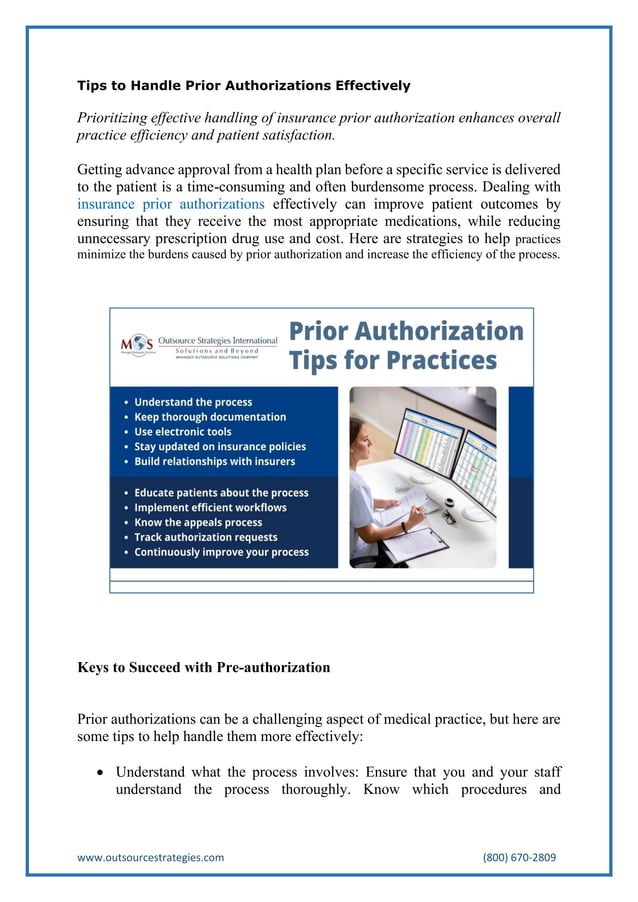
Tips to Handle Prior Authorizations Effectively PDF
Tips to Handle Prior Authorizations Effectively PDF
Definition Of Prior Adjective In Oxford Advanced Learner's Dictionary.
More Important Than Something Else Because It Came First
You Use Prior To Indicate That Something Has Already Happened, Or Must Happen, Before Another Event Takes Place.
Antecedent, Anterior Preceding In Importance Or Privilege.
Related Post: